🧵How Akave Separates Data Hosting from Cloud Jurisdiction
In short: The focus of the EU cloud dispute is data location, while legal risks depend on hosting and keys. Akave's self-hosted O3 service retains control in the hands of the operator, while Filecoin provides a decentralized storage layer, thus reducing lock-in risk.
1/ The Problem
The focus of the EU cloud dispute is data storage location. But this ignores the core issue.
Sovereignty is determined by hosting, not geographic location. Even within the EU, subsidiaries, and "sovereign" cloud platforms, US hyperscale cloud providers are still subject to the CLOUD Act.
2/ Hosting is Crucial
While EU cloud service providers circumvent US jurisdiction, data hosting remains in the hands of the service provider.
Courts can enforce access.
For regulated industries and sensitive data, sovereignty requires service providers to not host the data at all; the operator controls the infrastructure, keys, and access paths.
3/ Self-hosted Gateway
Akave claims no legal exemption, but as a US company, it remains subject to the CLOUD Act.
The solution relies on architecture.
Self-hosted O3 runs on EU infrastructure of your choice. Encryption keys are held by the operator.
Akave does not hold readable data.
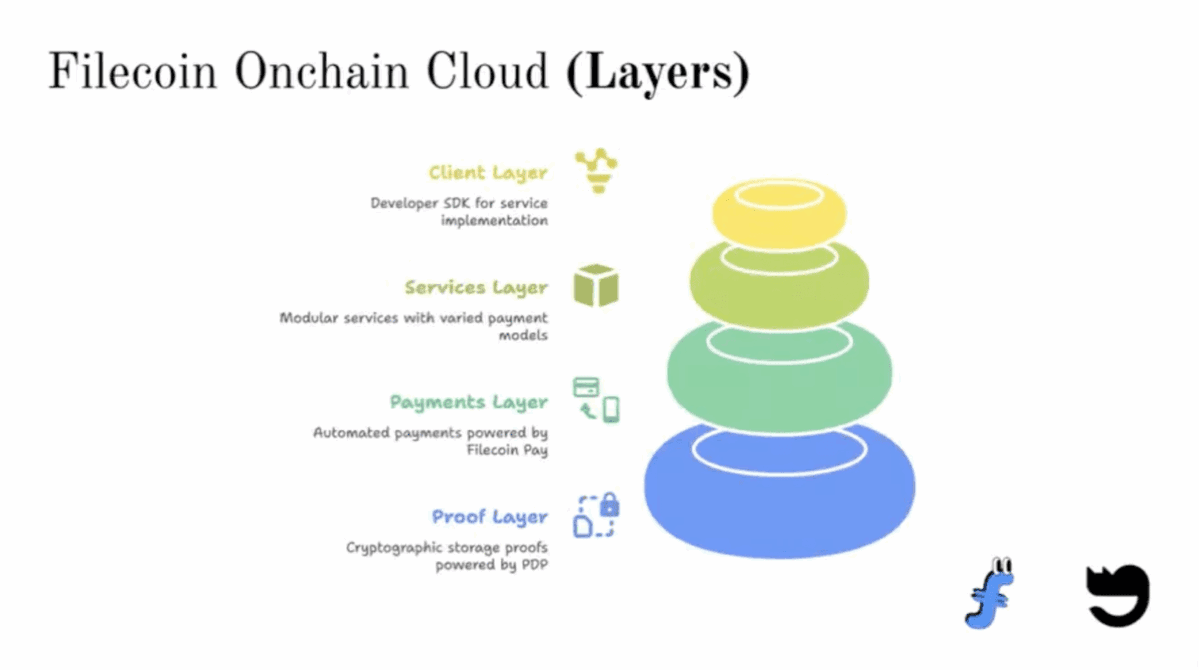
4/ Filecoin Layer
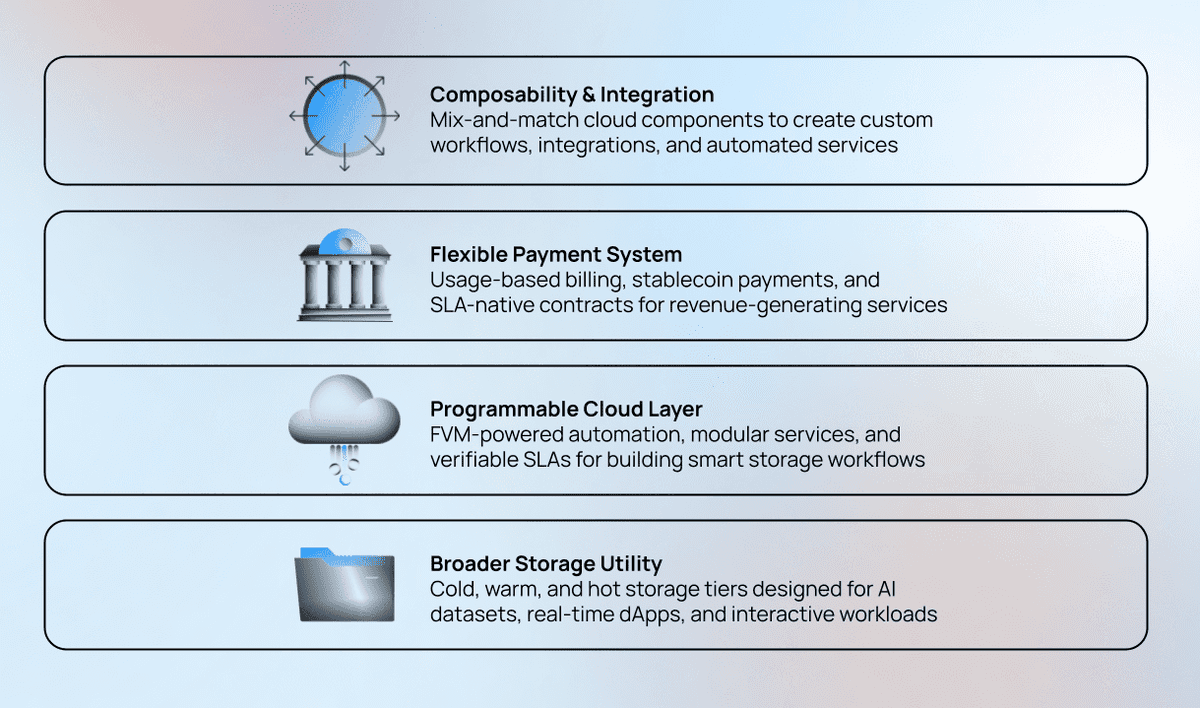
Filecoin acts as storage.
Encrypted shards are distributed across the decentralized Filecoin network and can be geographically restricted as needed.
No single operator or jurisdiction holds the complete files. This reduces the risk of single-provider concentration.
5/ Exit and Costs
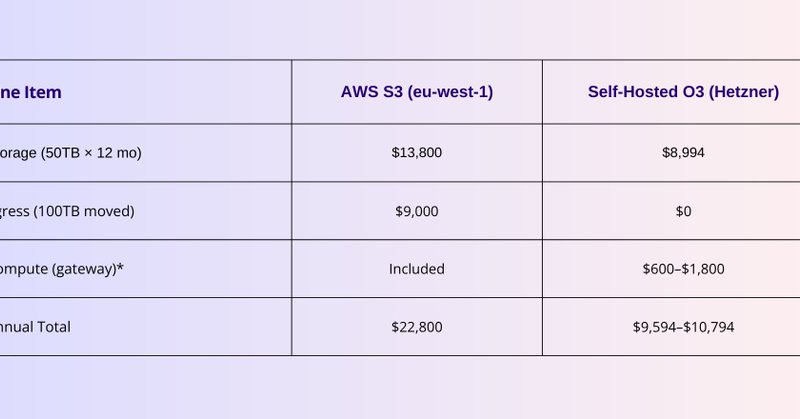
Exit fees themselves have a lock-in effect, and regulators now flag exit risks under DORA and NIS2 regulations.
This model eliminates exit penalties, maintains consistency in the S3 API, and makes migration feasible: simply switch DNS and synchronize data, without lengthy rebuilds.
Read the full article:

Price Converter

- Crypto
- Fiat

USDUnited States Dollar

CNYChinese Yuan

JPYJapanese Yen

HKDHong Kong Dollar

THBThai Baht

GBPBritish Pound

EUREuro

AUDAustralian Dollar

TWDNew Taiwan Dollar

KRWSouth Korean Won

PHPPhilippine Peso

AEDUAE Dirham

CADCanadian Dollar

MYRMalaysian Ringgit

MOPMacanese Pataca

NZDNew Zealand Dollar

CHFSwiss Franc

CZKCzech Koruna

DKKDanish Krone

IDRIndonesian Rupiah

LKRSri Lankan Rupee

NOKNorwegian Krone

QARQatari Riyal

RUBRussian Ruble

SGDSingapore Dollar

SEKSwedish Krona

VNDVietnamese Dong

ZARSouth African Rand
No more data